|
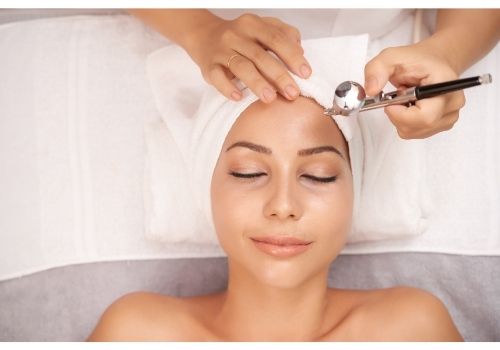
It’s no secret that regular facials are key to anti-aging or acne control. But one specific kind of facial is sweeping the nation: An oxygen facial (also called an oxygen infusion facial) uses oxygen under high amounts of pressure to apply various serums and hyaluronic acid — rejuvenating and rehydrating for radiant, youthful looking skin. With the results being instantaneous and treatment lasting only an hour, it’s the perfect facial for preparing for a special occasion.
And it makes sense: Celebrities have to be prepared for photographs and public appearances at a moment’s notice, and oxygen facials dramatically rehydrate and bring back the dewy youthful look to make them camera-ready. If you’re curious about how to get the same type of healthy, glowing, red-carpet results in just an hour, read on! So how does an oxygen infusion facial actually work?The body needs oxygen to thrive, which is why we breathe. Likewise, skin cells that are fully oxygenated appear brighter and healthier. While “oxygen facials” are a common term in the industry, here at Simply Skin, we specifically deliver an Intraceuticals oxygen facial. An Australian beauty product company, Intraceuticals was the first to introduce oxygen facials to consumer markets in 2002. Over the years, they have developed various serums to be used in conjunction with the treatment, depending on the patient’s skin type, complexion, and skincare needs. These infusions commonly contain hyaluronic acid, select vitamins, antioxidants, and peptides. (Hyaluronic acid is naturally present in the human body, and is known to lessen the effects of aging by tightening and hydrating the skin.) An oxygen treatment facial works by expelling pure oxygen into your pores to introduce these revolutionary serums. When pressurized, the oxygen helps the skin to absorb the serums, and helps the ingredients penetrate deeper levels of the skin. This helps to instantly restore hydration, vitality, and glow. What to expect from an oxygen facial therapy treatmentIf you plan to book an Intraceuticals oxygen facial, here’s what you can expect from your appointment. First, the skin is prepped with a gentle exfoliation to get rid of the top layer of dead skin cells and allow the products to better penetrate the skin. Then, a handheld, airbrush-like wand is used to deliver a pressurized stream of oxygen at 90-95% concentration to the skin’s surface. It feels like a pleasant blast of cold air onto your face. The oxygen is antibacterial and helps to expedite the delivery of the serums’ ingredients into the skin. Oxygen alone is amazing and purifying for one’s skin (especially for smokers), and once applied with the addition of any product, the results are amplified. The process is completely painless, and an entire oxygen treatment facial should take no more than 60 minutes start to finish. Oxygen facial benefitsThe benefits of an Intraceutical facial are numerous and immediate.
The result is skin that looks firmer and fuller — which makes it the perfect canvas for makeup application. Best of all, an oxygen infusion facial has zero side effects: No stinging, burning, irritation, or redness. And unlike some more invasive treatments, there’s no downtime or healing after an oxygen facial. You can even apply makeup directly after if you choose. (Which also makes it the perfect preparation for a special event.) Book an Intraceuticals facial near you!There’s a reason oxygen facials are recommended by models, celebrities, professional make-up artists, photographers, and stylists all over the world. This is a terrific choice for a special event – the results are instant and unparalleled!
If you want to look ready for the runway (or at least ready for date night), book your Intraceuticals facial today!
0 Comments
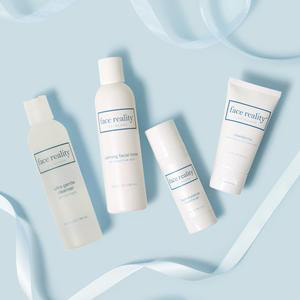
 There’s a long list of things you left behind in your teenage years — your taste in music and that one regrettable haircut, for starters. But even though that era is long behind you, acne is one relic of high school that has stubbornly stuck around. What gives? Unfortunately, acne is the most common skin condition in the United States — and it isn’t unique to teenagers. When pores get clogged (usually by dead skin cells), oil cannot discharge and accumulates in the pore and under the skin, creating a whitehead or blackhead. This is a perfect environment for bacteria to flourish and cause inflammation, which leads to pimples… regardless of your age. Controlling acne can be difficult, depending on the severity of your condition, but it’s far from impossible. Whether you’re in the throes of puberty right now or only started breaking out as an adult, finding the best acne treatment is key. Here at Simply Skin, I recommend the Face Reality skincare line. Acne Skincare ProductsThe search for the perfect acne-clearing products can be tricky and, at times, frustrating. There are a plethora of topical acne creams, serums, cleansers, and treatments (both over the counter and prescribed) and yet, all too often they leave the skin feeling dried out, irritated, or sometimes even more oily. If you deal with frequent or recurring facial breakouts, this cycle is probably all too familiar to you. One of the best things you can do for acne is to be mindful of the products you use to treat it. Surprisingly, many skincare product lines have ingredients that are incompatible with acne-prone skin — and can actually make acne worse by clogging pores. To maximize effectiveness, you'll need to be consistent with your acne treatment and skincare routine — both through regular acne facials and at home. These homecare acne products should be tailored exactly to your skin’s ongoing needs and sensitivities by your esthetician. Face Reality’s skin care regimen works to strengthen and repair the skin barrier, preventing environmental and inflammatory imbalances like acne, rosacea, eczema, dermatitis, and premature aging. What is Face Reality?The original Face Reality Acne Clinic was founded in 2005 by Laura Cooksey. As someone who struggled with acne, Laura was called to help other acne sufferers achieve clear skin with a holistic treatment plan. She worked tirelessly on the Face Reality Acne Treatment Protocol and skincare line — and before long, other estheticians took notice of the incredible results she was achieving and began inquiring about her secret for treating acne. Since then, the network of Face Reality professionals has grown exponentially, to include hundreds of Face Reality locations nationwide. Unlike other acne treatment providers, the Face Reality acne regimen also focuses on lifestyle and dietary choices, as well as providing cruelty-free, premium skincare products. For more than 15 years, Face Reality skincare has helped people who suffer from acne with an adaptive, individual approach, and an effective combination of safe, premium formulations that result in significant benefits — even beyond acne relief. Face Reality Products
Does Face Reality work?So, the big question is: Is Face Reality skincare really that effective? Well, Face Reality’s skincare before and afters pretty much speak for themselves. In fact, Face Reality products produce over a 90% success rate in 3 months for clients who incorporate it into a holistic skincare regimen, and it was chosen as favorite acne line in the 2020 ASCP Reader’s Choice Awards. An important thing to keep in mind is that treating acne looks different for every individual, as every person's skin responds differently to different treatments. You’ve probably experienced this firsthand: that face wash your friend swears by may leave your skin feeling dryer than you would like, while that cream you saw people raving about on TV doesn't quite zap your zits. Likewise, some skin types will require different variations on their skincare routine to effectively target acne breakouts. That’s why it’s crucial to work directly with a Face Reality professional that will customize a skincare regimen for your unique needs. Working with a Face Reality Skincare Professional
I provide custom treatment options for every age, gender, acne type and skin type. I even go one step further taking diet and lifestyle factors into careful consideration. I’m also the only esthetician in San Diego to pair Face Reality skincare with Dermasound Facial technology — which has been shown to kill bacteria and decongest pores resulting in cleaner, healthier skin for acne sufferers. Working with a Face Reality Skincare ProfessionalI’m so confident in the Face Reality skincare treatment protocol, I promise that you will see a drastic improvement in your overall complexion in as little as 3-6 months.
Ready to take the first step in getting your acne under control? Schedule your free consultation today.  The term "holistic" comes from the Greek word "holos", meaning whole. This concept draws from the universal natural laws that state a whole is made up of the sum of all of its parts, and those parts are interrelated and interdependent. In this context, holistic skin care considers the health of the person as a whole — including nutrition, lifestyle, and emotional factors. Do you ever wonder why you get a massive blemish right before a huge work presentation? How about that pesky friend that visits your chin once a month right before your menstrual cycle? That’s because your skin is a direct reflection of everything that’s going on inside of your body — which is why a holistic approach to skin care is so important. How Lifestyle Contributes to Holistic Skin HealthThe first rule of holistic skin care is that it’s not enough to treat your skin from the outside only. You have to nurture it from the inside as well. There are a few important ways to do this: Eat healthyHave you ever heard the saying, "Everything you eat comes out of your pores"? People with a healthier gut microbiome have a better fatty acid outline, which means their skin is extremely hydrated, moisturized, and supple. And the inverse is also true: imbalances in the digestive system can lead to inflammation and sensitized skin. To encourage clear, healthy skin, it’s essential to eat foods loaded with antioxidants, probiotics, and phytonutrients, which reduce inflammation in the body. Load your plate with leafy greens, whole grains, and lean proteins — and stay away from unhealthy fats, added sugar, and refined carbohydrates. Drink plenty of waterWe hear this advice so often that it’s easy to undervalue it. But the fact is, getting enough water is one of the best things you can do for your skin. A good moisturizer can only go so far when it comes to skin hydration — drinking water feeds the skin from the inside, helping to keep it soft and supple. Not to mention, it aids the liver in eliminating toxins from the body, reduces puffiness, and helps with kidney function (which in turn helps dark circles appear lighter). If you have a hard time drinking enough fluids every day, at least make sure you're consuming plenty of water-rich foods such as cucumbers, lettuce, watermelon, celery, zucchini, and peaches. Get some restThey don’t call it "beauty sleep" for nothing. Getting good, restful sleep is essential for proper skin cell and tissue rejuvenation. Not only does sleep deprivation result in dark circles and gray, saggy skin, but it can also lead to elevated levels of stress hormones. This can cause even more inflammation and the worsening of conditions like eczema or psoriasis. You should be aiming for seven to eight hours of sleep each night to give your entire body time to repair and recharge for the next day. Manage your stressSpeaking of stress hormones, the natural stress of a daily routine fills us with adrenaline and cortisol — and those deposits cause aging, dehydration, lines, and even muscular spasms. If that stress isn’t properly managed, it has a way of wreaking havoc on our health (and especially our skin). Stress can sometimes be unavoidable, but what we can control is how we respond to it. Find ways to reduce stress by scaling back your to-do list, taking deep breaths, or engaging in a stress-relief activity like meditation or yoga. The Benefits of a Holistic Skin Care SpecialistKnowing how to take care of your skin can be challenging. Fortunately, a skin esthetician can work with you to develop a holistic skin care regimen that takes into account all factors that can impact your skin health. Here are some of the best reasons to work with a holistic skin care specialist: Get a personalized touchNo two faces are alike, which is why any holistic skin care program should be tailored to each individual. As a skin esthetician, the first thing I do before I even touch a client’s skin is ask them an extensive list of questions to better understand their skin type, lifestyle, and skincare goals. This esthetician skin analysis can then help to develop a comprehensive esthetician skin care plan — which will include curated products and facials customized to fit your needs, as well as recommendations for how to take care of your skin from the inside out. Work with a natural estheticianMany people are cautious about leaning too heavily on prescription medications, topical retinoids, or other medical interventions — and instead prefer products and treatments that use all-natural ingredients and methods for anti-aging or acne. A holistic skin care specialist emphasizes the maintenance of healthy skin as a reflection of inner health, and promotes the use of natural products and holistic approaches over invasive surgical techniques or abrasive dermatological treatments. Holistic Esthetician TreatmentsA specialist will also be able to recommend specific treatments that complement a holistic program. The benefits of that type of esthetician skin care include: Use products curated and customized for youHolistic skin care means choosing products that are right for your skin — and you’d be surprised how many facial skin care products include ingredients that can actually work against your skincare goals. There's no question that the best skin care line for estheticians is the Face Reality skin care system, which is meticulously crafted with only the highest-quality skin nourishing ingredients. This helps to strengthen and repair the skin barrier, preventing environmental and inflammatory imbalances like acne, rosacea, eczema, dermatitis, and premature aging. Experience the difference facials can makeWhether you’re looking for an acne facial or a facial to reverse aging, facials are one of the most meaningful changes you can make to your skincare routine, and a key component of holistic skin care. They work to gently remove dirt and dead cells from the skin’s surface, rehydrate the skin, and encourage collagen production — and facial skin care products contain a number of active ingredients to restore lost volume and elasticity, clear your complexion, and maintain skin health. That said, not all facials are created equal. For true holistic skin health, I recommend the Dermasound Facial — because it operates at a cellular level. Utilizing water and ultrasonic frequency, it repairs and re-balances skin cells by assisting in the transport of nutrients, eliminating waste, and increasing their energy source for better health, radiance, and vitality. In fact, Simply Skin offers the only Dermasound Facial Treatment in San Diego. A Holistic Approach to Skin Care WellnessReady to put your best face forward? Learn more about my holistic approach to skin care wellness by scheduling a consultation today.
Time to face the facts: We’re not getting any younger. And each time you look in the mirror, you may notice new fine lines or thinning of the skin. You’ve probably tried a plethora of serums, eye creams, and lotions that promised to restore your youthful glow of the past… but time and time again, those products have left you disappointed. Whether it’s hyperpigmentation dark spots, wrinkles, or just a generally more vibrant appearance, you want your skin to look better but you’re unsure where to turn. In moments like these, people don’t always think of a facial first — but it’s a crucial anti-aging tool. Even if you’re a stranger to spa treatments, there’s no better time than now to incorporate anti-aging facials into your skincare routine. That’s because the right anti-aging facial treatment can yield serious long-term benefits, like warding off wrinkles and keeping skin hydrated. An anti-aging facial is one of the most safe and effective ways to prevent and slow the signs of aging — or even turn back the clock. Anti-Aging Facial Benefits
The Best Type of Facial for Anti-AgingThat said, trying to decide on the right anti-aging facial can be overwhelming. From dermaplaning, to microneedling, to oxygen facials, there’s so much information out there that you might find yourself asking: Where do I even start? What products are safe? Which treatments are right for me? For more than two decades, I’ve been helping clients of all ages look and feel their best through the best anti-aging facial tools and the most advanced treatments and products available. I’m passionate about the latest technologies in skincare practices, and seek them out from around the world to bring them to San Diego. And I’ve found that the most effective anti-aging facial treatment is the Dermasound Elite Ultrasonic facial. DermaSound Elite™ is a technology derived from ultrasonic science. It’s hands-down the best anti-aging facial machine, because it literally helps your skin on a cellular level — repairing and re-balancing skin cells by assisting in the transport of nutrients, eliminating waste, and increasing their energy source for better health, radiance, and vitality. DermaSound also stimulates collagen and elastin production, which helps heal connective tissues and produce smoother, firmer, more youthful skin. One clinical study of 1,000 patients reported that 98% saw improvement after just one treatment. Here in San Diego, there’s only one place to get the exclusive DermaSound facial — and it’s here at Simply Skin. Anti-Aging Facials at Simply Skin: My Glowing Skin PromiseI’ve dedicated my life to helping people like you navigate the world of proper skin wellness, to get the treatment they need and the results they want. My commitment to you is that I will have your skin glowing in 3-6 months, by using the most effective treatments in the industry — including lifestyle education and truly safe skincare products.
And, I will stay by your side every step of the way. As the only provider of Dermasound Facial Treatments in San Diego, I get a lot of questions about what a Dermasound facial is and what to expect from the process. I’m a huge fan of the Dermasound Ultrasonic Facial Machine, and I’m passionate about providing innovative technology to my clients. If you’re curious whether the Dermasound Elite Facial is right for you, read on! What is a Dermasound Facial?Dermasound is a non-invasive facial procedure that utilizes water and ultrasonic frequency to loosen and remove dead skin cells from the surface of the skin, and then penetrate skin’s deeper layers. This then stimulates collagen and elastin production, which helps heal connective tissues and produce smoother, firmer, healthier skin. One clinical study of 1,000 patients reported that 98% saw improvement after just one treatment. The Dermasound Facial literally helps your skin on a cellular level — repairing and re-balancing skin cells by assisting in the transport of nutrients, eliminating waste, and increasing their energy source for better health, radiance, and vitality. This process reduces discoloration, unclogs pores, protects against acne breakouts, and diminishes fine lines and wrinkles — making it a great option for all kinds of skin challenges. The Dermasound Ultrasonic Facial Machine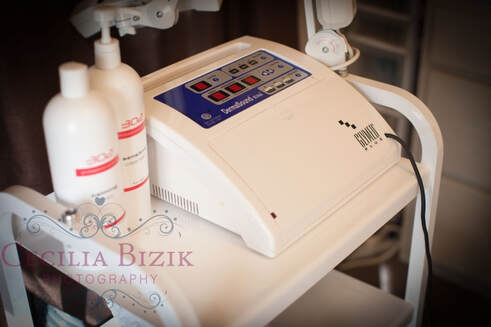 The hand instrument looks a little like a small spatula and is stroked over the skin. Microjet frequencies shoot water molecules across your face and neck, which feels like a fine mist. “Ultrasonic” refers to sound waves, which sit at a frequency just above the upper limit of human hearing (making the treatment virtually silent). These gentle, low-frequency sound waves are used to “spin” the water molecules across the skin in vibrations of approximately 28,000 times per second. How A Dermasound Elite Ultrasonic Facial WorksA Dermasound Facial is a four-stage system for safer exfoliation, product penetration, and healing microcurrent therapy, and is used to treat a variety of skin disorders. 1. PeelingA gentle microjet vibration of water is used to peel away dead skin cells and deeply cleanse clogged pores. Ultrasonic vibrations spin the water molecules at high frequency causing “cavitation” — a brief phase change in the water molecule. This loosens and removes dead cells, dirt, and oils as it hits the skin’s surface. This phase removes 20% to 50% of the “stratum corneum” — the outer layer of the skin which we continuously shed. These cells are often damaged and dull the appearance of your skin. This first step is similar to exfoliation and microdermabrasion but has a lower risk of irritation and inflammation that is sometimes associated with mechanical methods. 2. InfusionNormally, skincare products can’t effectively penetrate the skin if they have large molecules like amino acids, peptides, and certain vitamins. But ultrasound makes that penetration possible with a process called "sonophoresis." The ultrasound frequency opens minute pathways to allow the product to penetrate deeply into your skin — allowing active treatment products to penetrate 10,000x deeper than manual application for nourishment at a cellular level. We use this step to infuse high concentrations of hydration, antioxidants, brighteners, and growth factors into the skin. 3. Microcurrent TherapyWhen a cell has been damaged due to environmental causes (like overexposure to the sun or aging), the cell’s electrical current is adversely affected — restricting the flow of nutrients into the cell and waste products out of the cell. This condition makes it difficult for cells to heal. So, the third step of a Dermasound Facial normalizes the skin with a very mild electrical current — a medically proven technique to restore individual cells’ natural electrical charge. This stimulates collagen and elastin production and increases nutrient transfer to the skin. 4. ATPAdenosine triphosphate, or ATP, is the energy source that supports all living things. As we age, our bodies gradually lose ATP which causes the signs of aging. In this final step of the process, ultrasound & microcurrent therapy are used to repair ATP — diminishing fine lines & wrinkles, improving elasticity, and creating glowing, healthier-looking skin. What to Expect from Your Dermasound Facial TreatmentEach Dermasound Facial session lasts approximately 60 or 90 minutes, and I recommend a 6- or 10-session series depending on your skincare goals. Since Dermasound is completely non-invasive, there is no associated downtime or recovery associated with treatment. Clients can continue with their daily routines immediately afterward. Because of the exfoliating nature of Dermasound, clients will need to protect their skin with a quality sunscreen afterward (which you should be doing daily anyway!). Dermasound Facial BenefitsDermasound is particularly effective in treating the following skin conditions
Dermasound Facial vs. Microdermabrasion and Other TreatmentsExfoliation and microdermabrasion are similar procedures that cleanse and purify the skin. However, unlike Dermasound, microdermabrasion only exfoliates and doesn’t actually push products into the skin — nor does it heal and regenerate. Not to mention, microdermabrasion often uses harsh chemicals or particles (like tiny crystals) to exfoliate dead skin cells. Other exfoliating and resurfacing treatments use vortex suction or vacuum. The immediate response is often inflammatory to the skin, rendering it contraindicated for conditions such as thinning skin, inflammatory acne, or rosacea. In addition, other procedures like lasers or alternative microcurrents don’t make it past the superficial layer of skin, and sometimes don’t reach areas that are causing problems. Because Dermasound uses low-frequency ultrasonic waves to push antioxidants into the skin, the products are able to penetrate deep into the tissues of the skin, treating a variety of skin issues at the roots. This makes Dermasound very “skin-specific,” because it can better serve a full range of skin conditions. Because Dermasound uses only water, it does not injure the skin in any way. Plus, the treatment doesn’t negatively affect the surrounding area or tissues, which also contributes to its minimal downtime. Glowing Skin is Just a Phone Call AwaySimply Skin offers the only Ultrasonic DermaSound Facial in San Diego, and I’m proud to have used it to help countless clients. But don’t take my word for it. Check out some of these Dermasound Facial before and after photos and see for yourself!
If you’re ready to improve your complexion and enjoy your newfound confidence, schedule your free consultation to see if the Dermasound Facial is right for you.
What is a dermatologist?A dermatologist is a physician and surgeon trained in skin, hair, and nails — and in particular, the diagnosis, treatment and prevention of skin-related diseases. They are qualified to make diagnoses for medical conditions such as rosacea or psoriasis, and can prescribe oral or topical medications to treat those conditions. In some cases, they can also perform surgeries on skin abnormalities or growths that may be cancerous. What is an esthetician?While dermatologists often focus on the skin as a whole, estheticians are specially trained and place particular emphasis on the face. Also called a skin esthetician or skincare specialist, estheticians provide facial skincare services in a cosmetic or salon setting. (Curious about the difference between esthetician vs. aesthetician? While the terms sound similar, aesthetician refers to someone who performs medical skin procedures — like treating patients who have experienced facial skin damage because of chemotherapy, burns, surgery, or other health issues. That’s why you’ll often see aesthetician proceeded by the words “medical,” “paramedical,” or “clinical.”) Estheticians are not medical doctors, though they do undergo extensive professional training. Here in California, estheticians are held to particularly high standards: A certified (licensed) esthetician in the state will have completed 600 hours of training, a state-approved course/test, and a State Board Exam with written and practical components. What does an esthetician do?So, what does an esthetician actually do with all that training? A skin esthetician will usually start with a consultation and analysis of your skin, to better understand your skin type, lifestyle, and skincare goals. They’ll then develop a comprehensive skincare plan — which will usually include curated products and facials tailored to your needs. The best estheticians go even one step further to consult with you on how your diet and lifestyle impact skin health. When to see an esthetician vs. a dermatologist?While estheticians and dermatologists both exist to keep your skin as healthy as possible, they differ in a few important ways. Which one to see first depends on a few different variables, depending on what you’re looking for. Here are some factors to consider when deciding when to see an esthetician vs. a dermatologist. EnvironmentOne major difference between estheticians and dermatologists is where you would go to find them. Because dermatology is a medical profession, a dermatologist will usually practice in a medical office or other clinical setting. Estheticians often operate out of a spa or salon. Some people find a doctor’s office to be intimidating and impersonal, in which case a consult with an esthetician may be a better first step. Natural ApproachYou may also consider an esthetician over a dermatologist if you want to address skin concerns as naturally as possible. Many people are cautious about leaning too heavily on prescription medications, topical retinoids, or other medical interventions — and instead prefer products and treatments that use all-natural ingredients and methods. This is particularly true for those seeking help with anti-aging or acne treatments. BudgetUnfortunately, most health insurance companies consider this type of skincare to be cosmetic in nature, which means trips to a dermatologist’s office won’t be covered by your insurance plan. This can get costly when you’re paying out of pocket — especially with repeat visits, co-pays, and expensive procedures. If you’re on a budget, you may want to make a visit to your local esthetician to see if your skin can be treated without a hefty medical bill. Personal TouchIf you’ve been to a doctor’s office recently, you know how busy physicians are. They usually only have a few minutes to devote to each patient — which limits how in-depth each appointment can be, and how many follow up questions you’re able to ask. A consultation with a skin esthetician can be more exploratory in nature — discussing lifestyle, skincare goals, and what products you’re currently using — which could be another case for an esthetician vs. a dermatologist. Severity of Skincare NeedWith all this in mind, it’s still important to remember that an esthetician is not a doctor. If you have a growing rash or a worrisome mole, your esthetician can’t help with diagnosis, or prescribe medications to treat it. However, if your skin problem has already been diagnosed, your esthetician can suggest skin care products that are appropriate for you. RelationshipPerhaps the biggest benefit to working with an esthetician is the ongoing relationship it creates. At Simply Skin, I see most of my clients monthly — which means I’m attuned to their skin profile and can spot changes or irregularities on their skin quickly. If something looks concerning, I will refer them to a dermatologist — in many cases initiating a doctor visit that wouldn’t have happened otherwise. Working with an esthetician is a great way to benefit from an ongoing skincare partner. When to see an esthetician vs. a dermatologist?Both estheticians and dermatologists play an important role in your overall skin health — so your first step depends on what you’re ultimately looking for in the experience.
Visit a dermatologist when you’re due for a full-body scan (to check for skin cancer and other abnormalities), or if you suspect you have a skin disease. But if you've ever wondered about your skin type, are hoping to treat facial imperfections, or want advice for a holistic skincare regimen, visit your local skin esthetician. Make sure to do your homework, and work with a professional who is licensed and has experience with skin like yours. Ready to put your best face forward? Learn more about my holistic approach to skincare wellness by scheduling a consultation today. 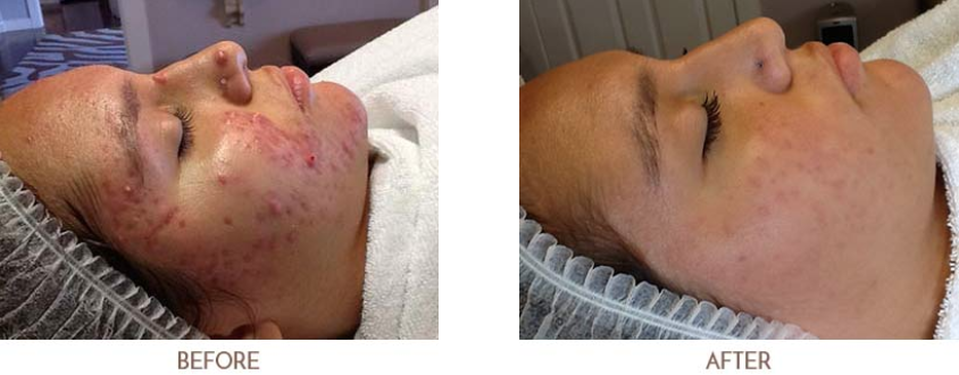 Hormonal acne is exactly what it sounds like: acne tied to fluctuations in your hormones. However, the medical community is mixed when it comes to defining hormonal acne. The Mayo Clinic cautions against the term, because it isn’t always associated with a hormonal imbalance (and therefore, products advertising “natural hormone remedies” aren’t effective). Others say the term is redundant. Technically speaking, all acne is hormonal, since it develops in response to hormonal changes. Whatever you call it, acne can be incredibly frustrating. And although it’s typically associated with hormone fluctuations during puberty, hormonal acne can affect adults of any age. What is hormonal acne?Hormonal acne is linked to the overproduction of sebum (an oily substance secreted at the base of hairs to protect and lubricate the skin). This tends to be a direct result of hormonal changes — especially a rise in androgens such as testosterone — hence the wide usage of the term “hormonal acne.” The four components of hormonal acne are:
This process can lead to pimples, whiteheads, and blackheads — or in some cases, cystic acne (tender bumps that form deep under the skin and don’t come to a head on the surface). During puberty, hormonal acne usually appears on your forehead, nose, and chin (otherwise referred to in your T-zone). However hormonal adult acne often forms on the lower part of your face — including the bottom of your cheeks and around your jawline. How to prevent and control hormonal acneUnfortunately, many causes of hormonal acne (like hormonal fluctuations, genetic predisposition, or pre-existing medical conditions) occur whether we like it or not. But there are some measures you can take to help prevent the onset or worsening of hormonal acne. 1. Managing Your StressStress floods our brains with adrenaline and cortisol — hormonal changes that may worsen acne, especially if you’re already prone to pimples. And be sure to get your beauty sleep! Sleep deprivation is considered one of the main acne triggers, since it disrupts hormone levels and unsettles the chemical balance in your skin. 2. Eat HealthyAvoid simple carbohydrates (found in white bread, chips, and white potatoes), and sugary drinks, as they increase blood sugar levels and can have an impact on hormones. Instead, aim for Omega-3 fatty acids, plant-based foods, and a cup or two of green tea per day. These are all high in antioxidants and can help fight the inflammation of a breakout. 3. Avoid Sweaty EnvironmentsWhere possible, avoid areas with high heat and humidity — as excessive sweating can worsen your outbreaks and make inflamed, infected pimples worse. Similarly, try to reduce the amount of time your skin is exposed to sweat by rinsing off immediately after you exercise. 4. Be Kind to Your FaceIt may be tempting to want to buff out facial imperfections, but too much washing and scrubbing can remove natural oils from the skin — causing your face to respond by producing even more oil and making hormonal acne worse. Wash your face no more than twice a day, using a mild cleanser and warm (not hot) water. Avoid harsh or exfoliating scrubs, and whatever you do, refrain from scratching, scraping, or picking pimples. Hormonal Acne TreatmentsHormonal acne treatment methods can run the gamut from over the counter to prescription. Some will suggest topical retinoids, benzoyl peroxide, or tea tree oil applied to the skin… while others will recommend oral medications like antibiotics or contraceptives. Fortunately, there are other ways to safely clear your complexion without dermatologists or prescription medications. Hormonal acne skincare productsOne of the best things you can do for your hormonal acne is to be mindful of the products you use to treat it. Surprisingly, many skincare product lines have ingredients that are incompatible with acne-prone skin — and can actually make hormonal acne worse by clogging pores. At Simply Skin, I recommend the Face Reality skincare program: a personalized and adaptive treatment that includes a suite of products tailored specifically to your skin type. It includes only high-quality skin replenishing ingredients and produces over a 90% success rate in 3 months. Facials for hormonal acneIt’s no secret that facial treatments can rejuvenate and nourish your face, making your skin look healthier. But many don’t realize that some facials are specifically designed to clear and prevent hormonal acne. An acne facial is a medical skin treatment that not only helps to address breakouts, but also speeds up at-home acne treatments, making it an excellent addition to your skincare routine. In addition to the Face Reality system, I also recommend the Ultrasonic Dermasound — the ultimate non-invasive facial treatment for hormonal acne. Dermasound uses gentle sound waves to loosen dead skin cells, cleanse clogged pores, and enhance the penetration of acne products. In as little as 6-10 treatments, it can clear your complexion and restore skin to a smooth, youthful glow — and the results speak for themselves. Clearing hormonal acne for goodTreating hormonal acne looks different for every individual — which is why it’s crucial to work with a licensed esthetician that will customize a skincare regimen for your unique needs.
My Acne Treatment Promise means that I will help clear up your hormonal acne in 3-6 months, using the most effective treatments in the industry. Schedule a free consultation today to learn how to finally get rid of your hormonal acne and uncover the clear complexion you’ve been dreaming of. 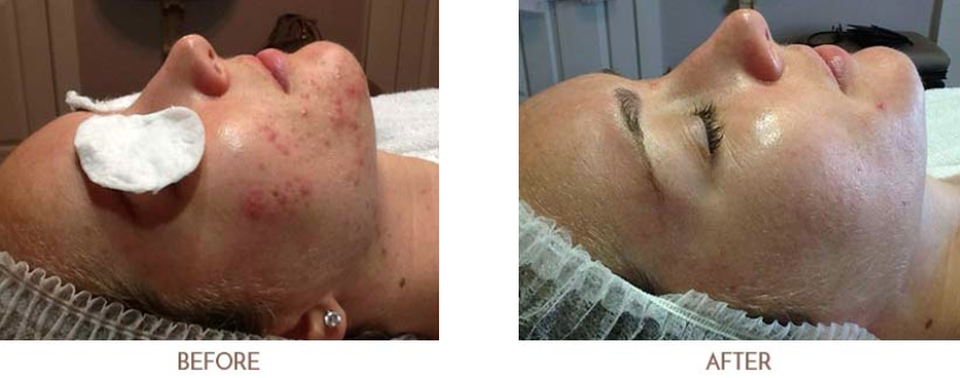 Let’s face it: Acne is the worst. Not only is it irritating and painful, but it can make you self-conscious — and, naturally, it tends to flare up at the most inopportune moments before a big day or event. And you’re not alone — acne is the most common skin condition in the United States, affecting up to 50 million Americans annually. There are a plethora of topical acne creams, serums, cleansers, and treatments (both over the counter and prescribed) and yet, all too often they leave the skin feeling dried out, irritated, or sometimes even more oily. If you deal with frequent or recurring facial breakouts, this cycle is probably all too familiar to you. The fact is, when it comes to severe facial acne, products alone might not be effective enough… and that’s where facials come in. Facials for acne are one of the most meaningful changes you can make to your skincare routine, and one of the best ways to eliminate breakouts, clear your complexion, and rejuvenate the skin — for good. What is an acne facial treatment, and can it help with breakouts?A facial is a skin treatment that cleanses your pores, exfoliates dead skin cells, and treats common skin issues. Most facials also include a facial massage, which can be helpful in increasing blood flow — leading to decreased puffiness and improved circulation, enhancing the skin's appearance. Any type of facial serves to rejuvenate and nourish your face, and makes your skin look healthier and younger. Specifically, an acne facial is a medical skin treatment that helps to clear acne and prevent breakouts on acne-prone skin — as well as speeding up at-home acne treatments. They also help to heal damage from prior facial breakouts, as well as other facial blemishes and discolorations, to improve the overall look and feel of your skin. If your acne is related to trapped dirt, oil, and dead skin, a facial for acne could be just what you need to clean, exfoliate, and treat spots on the face. What to Expect: How facials reduce and eliminate bad facial acneThe effectiveness of your acne facial depends on a few key factors: how regularly you get them, the quality of products used, and the skill of your esthetician. Frequency of facials for acneIt’s important to remember you’ll get the best results if acne facials are regularly incorporated into your skin care routine. Typically, facials are scheduled in a series of biweekly sessions and supplemented with consultations with your esthetician. Acne products usedAnd of course, you can't rely on acne facials alone to clear your breakouts and blemishes. To maximize effectiveness, you'll need to be consistent with your acne treatment and skincare routine at home in between facial appointments. These homecare products should be tailored exactly to your skin’s ongoing needs and sensitivities by your esthetician. Esthetician skill and experiencePerhaps most importantly, the skill of the esthetician performing your acne facial treatment plays a huge role in the improvement you see. A seasoned professional will know how to work with your individual skin type, taking into consideration your age, gender, and type of acne. The best estheticians go even one step further to consult with you on how your diet and lifestyle impact skin health. If you suffer from severe facial acne, you'll get the best results from someone who specializes in skin like yours. Don't be afraid to ask the esthetician about their experience with treating acne. What is the best acne facial treatment?There is no one-size-fits-all approach for acne facial treatment, as everyone’s skin and specific acne conditions differ. But here at Simply Skin, there’s a reason I promote both the Face Reality protocol and the innovative Dermasound Elite Ultrasonic machine to treat bad facial acne.
My Acne Treatment PromiseFacials for acne are an essential part of an overall holistic treatment for clearer, brighter, more radiant skin. I will help clear up your acne in 3-6 months, by using the most effective treatments in the industry — including lifestyle education and truly acne-safe skincare products.
To learn more about your skin type, best practices, and whether the Dermasound facial is right for you, click the button below to schedule a consultation today. |